 Recycling Policy & IndustrySearch • Policy • Industry • Action
Global technology · California readiness
Recycling Technology Watch
A visual, source-backed comparison of commercial technology, California operating equipment and clearly labeled future concepts—translated into practical California policy questions.Technology follow-up · Reviewed October 22, 2026
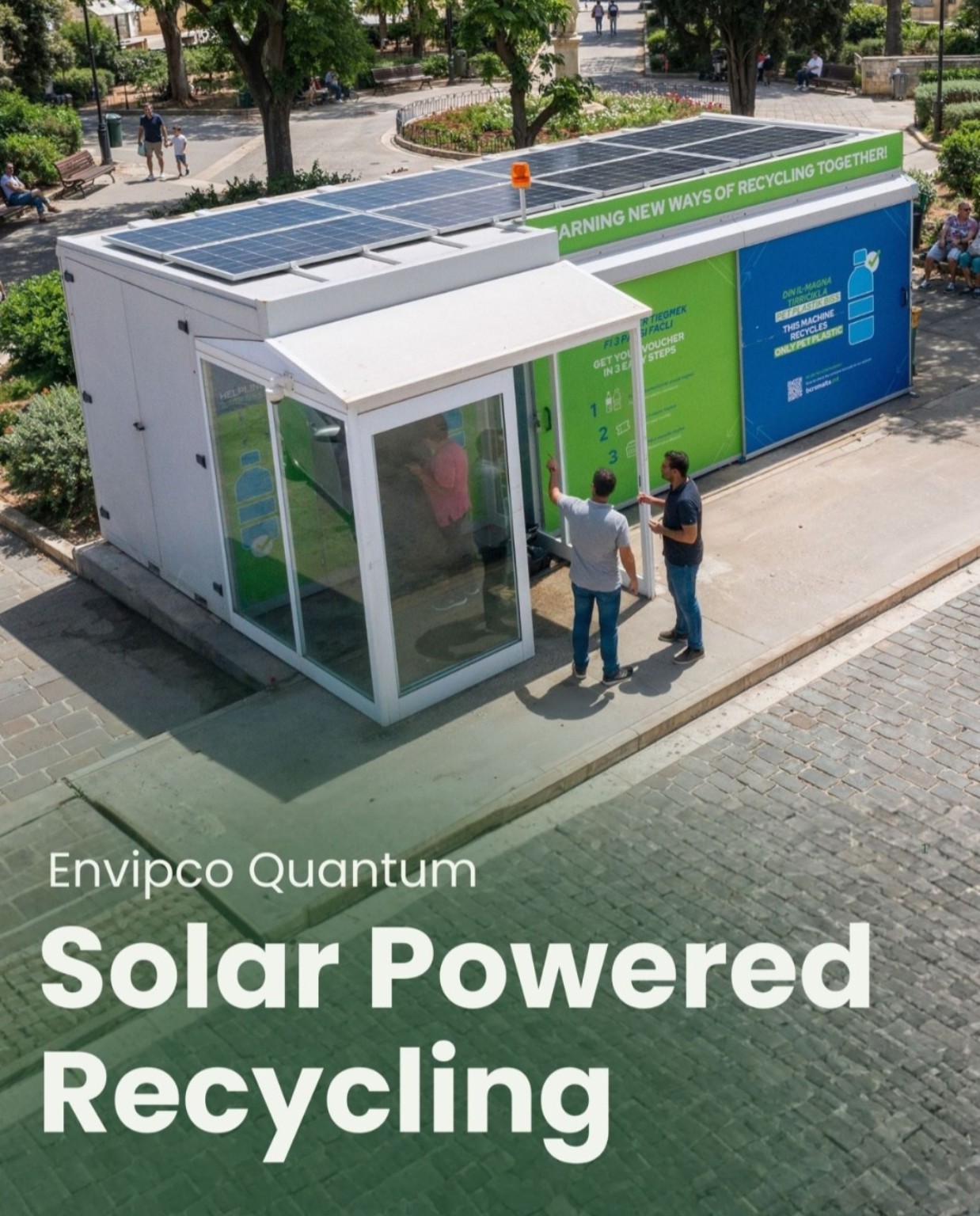
Solar-powered Quantum: a planned Netherlands installation.
Envipco’s undated manufacturer report describes completion planned by the end of October 2026. This review has not independently confirmed commissioning, year-round off-grid performance or California certification. It is linked as an international follow-up to the existing Quantum bulk-RVM entry, not a separate product or a California approval.
For a California proposal, obtain the exact electrical configuration, storage/battery design, safety approvals, accessibility plan, material/refund eligibility, service response commitments and operating budget.
Manufacturer report and video ↗ · Existing Quantum equipment listing → · Thursday briefing →Recycling history · Retail access precedent
Reynolds Bulk Can Machine: A Retail Recycling Precedent
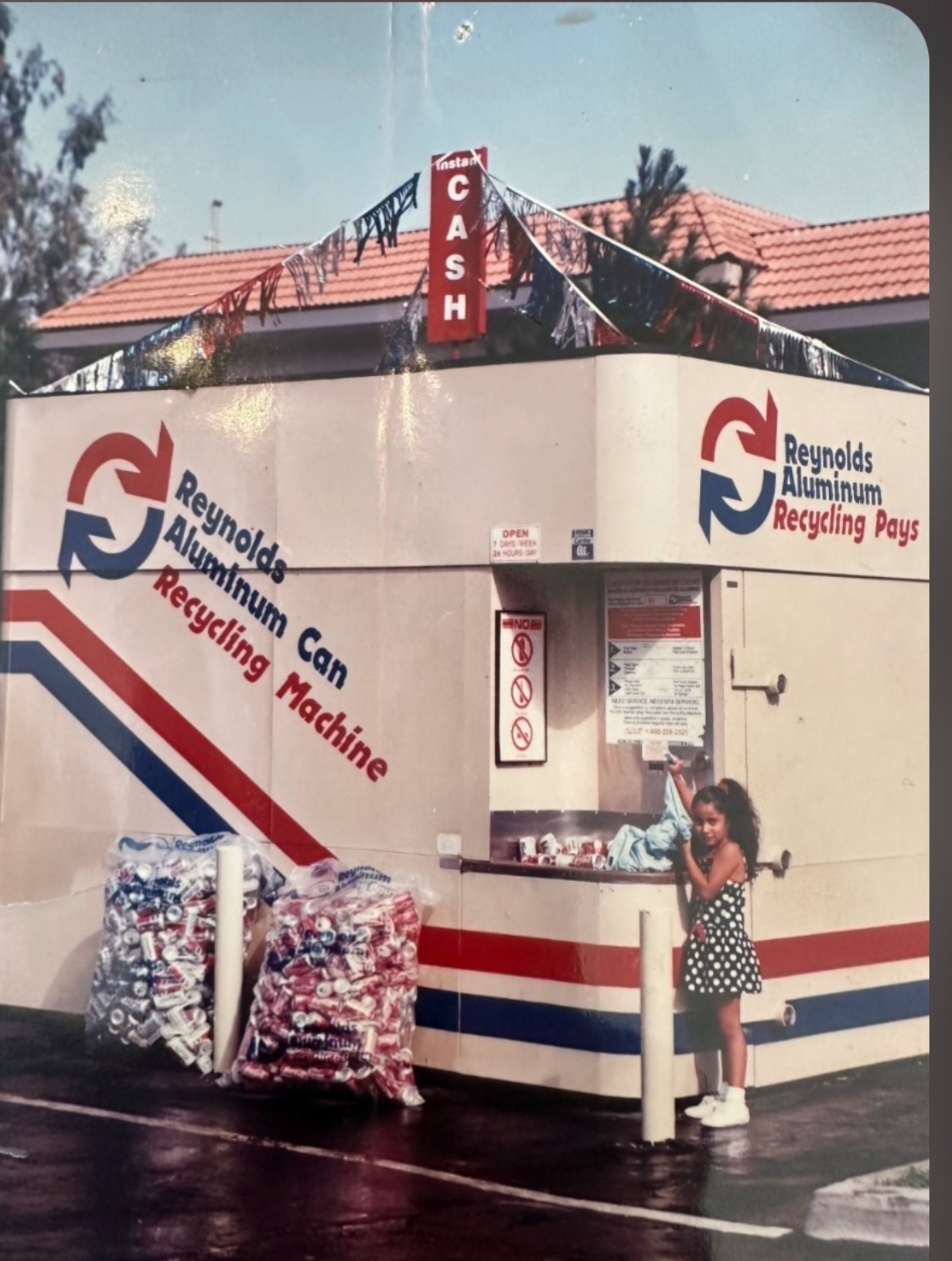
Ralph Alcantar and the retail recycling precedent
Karim Ameri credits his friend Ralph Alcantar with work on the historical bulk-RVM project discussed here. This is Ameri’s attribution, not a finding independently established by this website. Ameri shared this photograph and the Reynolds history as an example relevant to retail recycling access. He did not work for Reynolds and was not involved in any Reynolds recycling project. The photograph shows a Reynolds Aluminum Can Machine. The attribution to Alcantar is based on information supplied by Ameri; the linked article provides broader historical context.
The story connects today’s technology discussion to an earlier effort to bring can recycling into everyday retail settings. It offers a useful starting point for discussing practical consumer access today.
How the collection model evolved
The historical account shared for this feature describes an early aluminum-can collection model that compacted cans, paid customers cash and used specialized collection equipment. It also describes a later transition to trailers and roll-offs as collection expanded to additional container types.
This account illustrates why equipment, collection logistics and processing capacity need to work together. Specific capacities, dates and commercial arrangements are omitted pending documentary verification.
The wider Reynolds history
Resource Recycling’s 2022 article “Helpful history,” by Scott Breen and Lilly Hyde, describes Reynolds’ nationwide aluminum buyback network. It highlights visible locations, convenient access and local operators as important factors. The article’s historical image shows the same Reynolds can-machine design pictured here. The article provides context for the wider buyback network; it does not independently verify the specific retail project discussed here.
Read “Helpful history” — Resource Recycling, September 14, 2022 ↗
What this means for California today
Our recommendation is to evaluate retail recycling as a service network: convenient locations, dependable access, sufficient capacity and clear responsibility for maintenance, collection and refunds. Bulk machines, staffed centers, bag drops and mobile services can be considered together according to local needs and measured results.
The historical machine is an aluminum-can precedent. Its appearance does not establish capabilities for glass or plastic, modern CRV certification, or today’s operating performance.
Explore the retail-access recommendation →
Historical photograph, source and operating account shared by Karim Ameri · Updated October 9, 2026. Ameri had no employment or project involvement with Reynolds. Ralph Alcantar’s role is credited based on Ameri’s information; supplied recollections, published historical context and present-day recommendations are identified separately.
Explore the publisher’s historical photographs
Resource Recycling’s “Helpful history” includes a can-machine image and an archive collage showing transport, people and customer service. View these photographs on the publisher’s website. They provide context for the wider Reynolds network and do not identify Ralph Alcantar or his specific project.
Read the article and see its historical photographs ↗
View the publisher’s can-machine image ↗ · View the publisher’s archive collage ↗
Photo-first equipment catalog
See the machines before comparing the policy details.
Browse TOMRA R1 and R2, Recycletek EcoCount, EcoPod, EcoCenter and EcoHub, Envipco, RVM Systems, Olyns, Sielaff, bag-drop networks, mobile equipment and other verified systems.Open the complete equipment gallery →International operating example · Ireland · Reviewed October 16, 2026
Ireland expands whole-bag bulk returns at retail locations
An operating-network example linked to existing equipment records; no additional machine model is implied.Return bottles and cans together instead of feeding them individually
The Journal reports that Ireland’s deposit-scheme operator Re-turn says 25 bulk machines are installed and nine more are planned by the end of 2026. Customers empty loose eligible bottles and cans into the equipment for automated recognition and counting. These are reported deployment figures, not independently audited counts.
The article does not identify the manufacturer and model at every location. We do not attribute the full rollout to TOMRA or any other supplier, or treat it as a newly identified machine.
Read The Journal’s rollout report ↗TOMRA R1 is independently identified in Re-turn’s earlier Irish launch notice
Re-turn’s own notice identifies a TOMRA R1 installation at Kelly’s SPAR Newcastle and describes multi-feed returns. That notice supports this named example; it does not identify every machine in the October 2026 rollout.
Whole-bag bulk feed means the user empties loose containers into a machine. It differs from a bag-drop service that stores a labeled bag for later counting and account credit.
Re-turn’s dated R1 launch notice ↗Compare the models already in this guide
TOMRA R1 → · TOMRA R2 → · Envipco QUANTUM → · RVM Systems Mega →
These links compare the same technology category; they do not claim all these models are part of the Irish rollout.
Equipment photographs and source credits →Measure the complete service, not only machine speed
Evaluate queue length, successful containers per operating hour, rejection and refund accuracy, downtime, cleaning, staffing, storage, collection frequency, accessibility, payment choices and total operating cost. Compare these outcomes with staffed service and other return methods.
Irish deployment does not establish California certification, handling-fee eligibility, required-material coverage, funding or local permission. Confirm the legal pathway and processor compatibility for each proposed California location.
California readiness questions →Search the verified watchlist
Compare technology and operating models
Visual equipment catalog
See the machines, bag drops, kiosks and mobile systems.
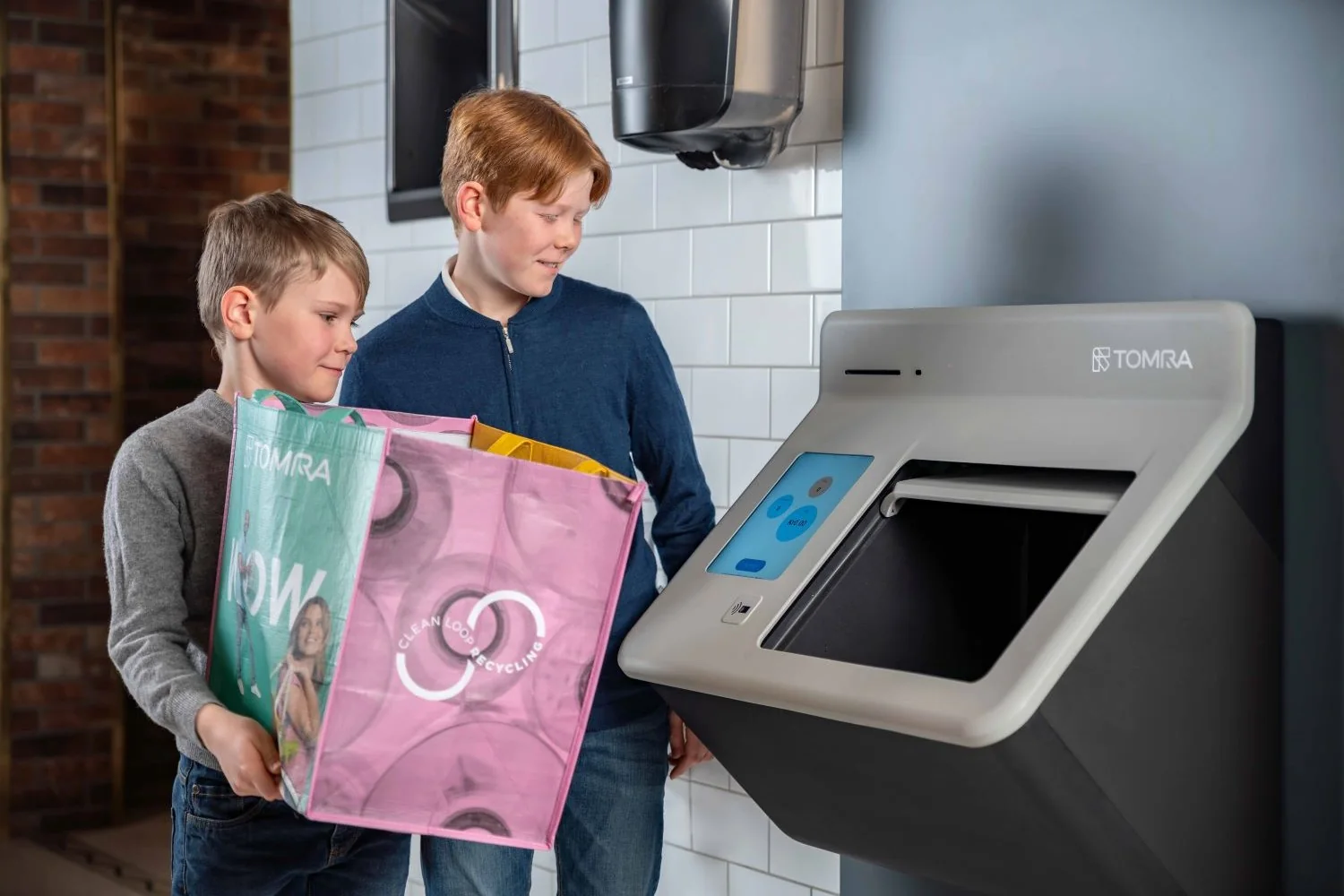
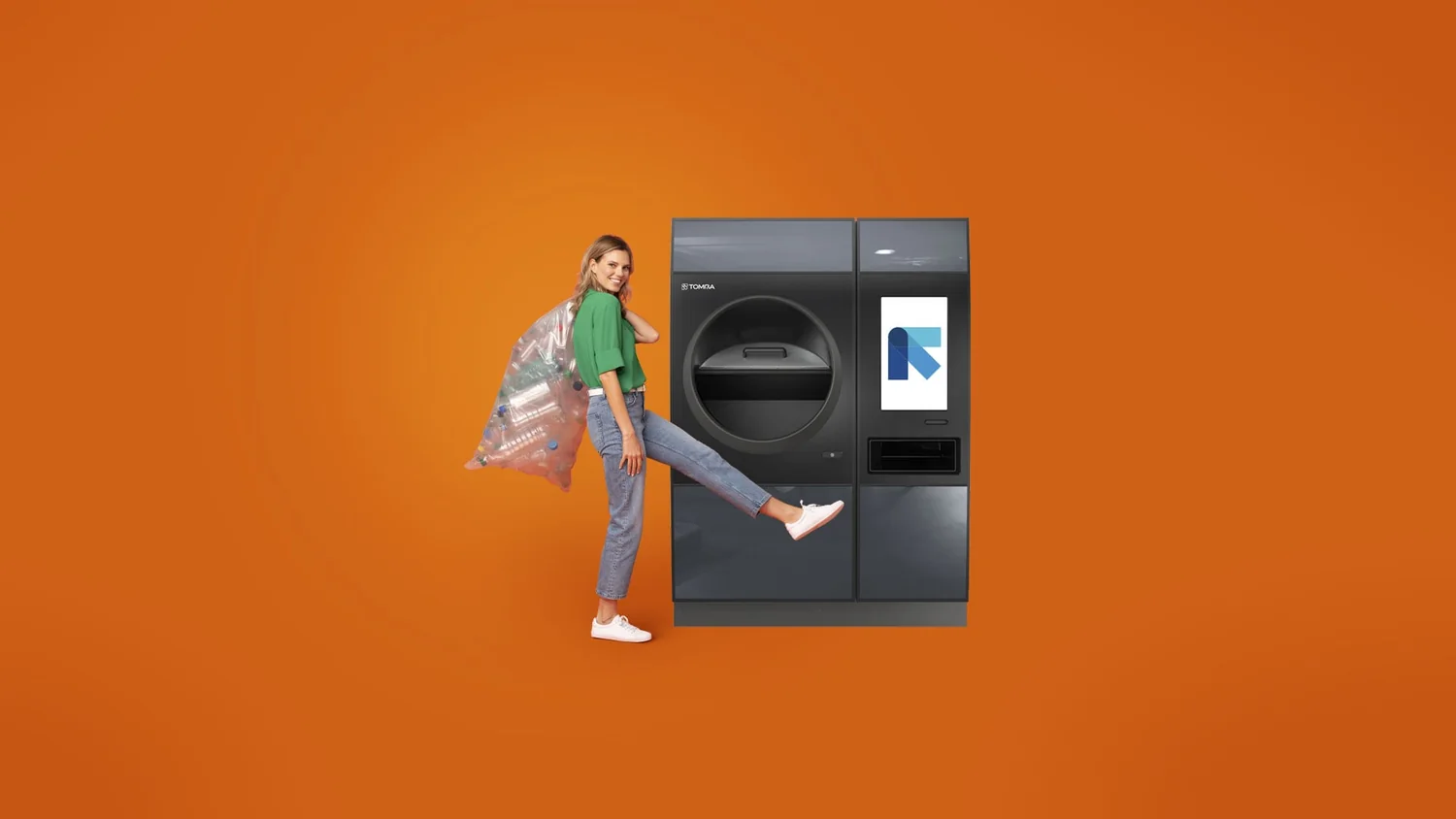
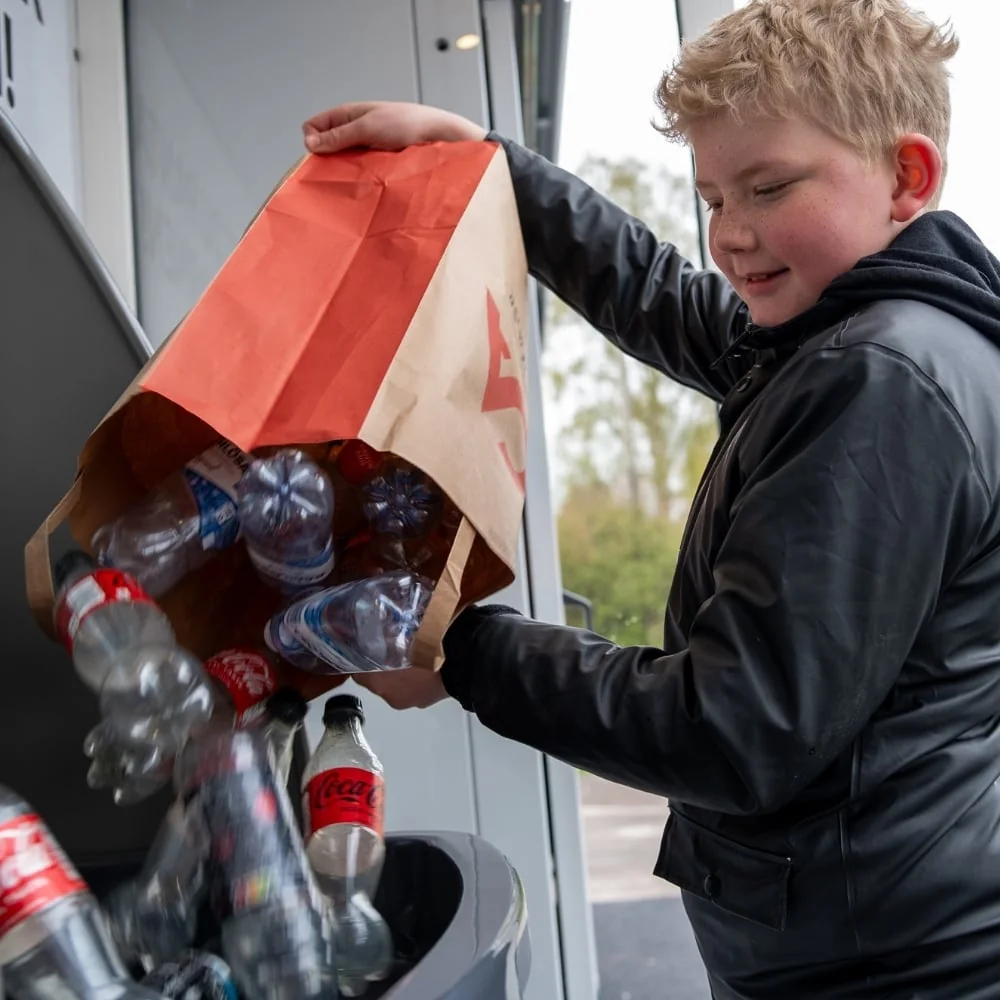
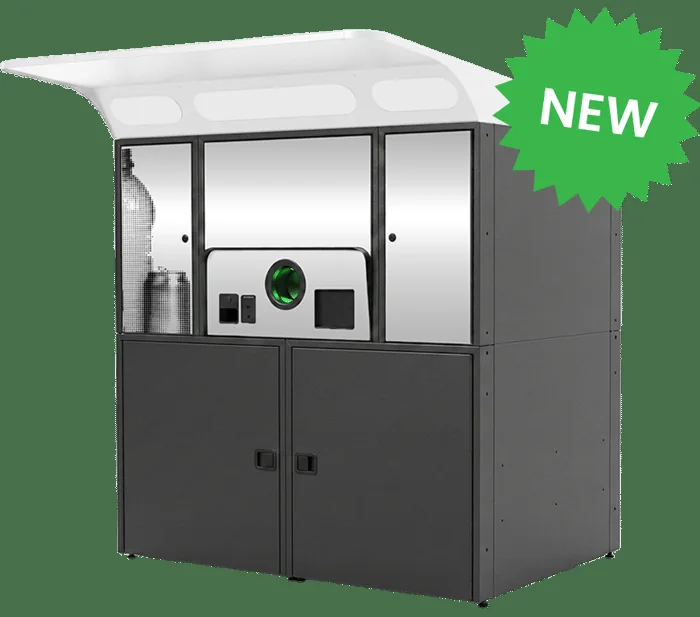
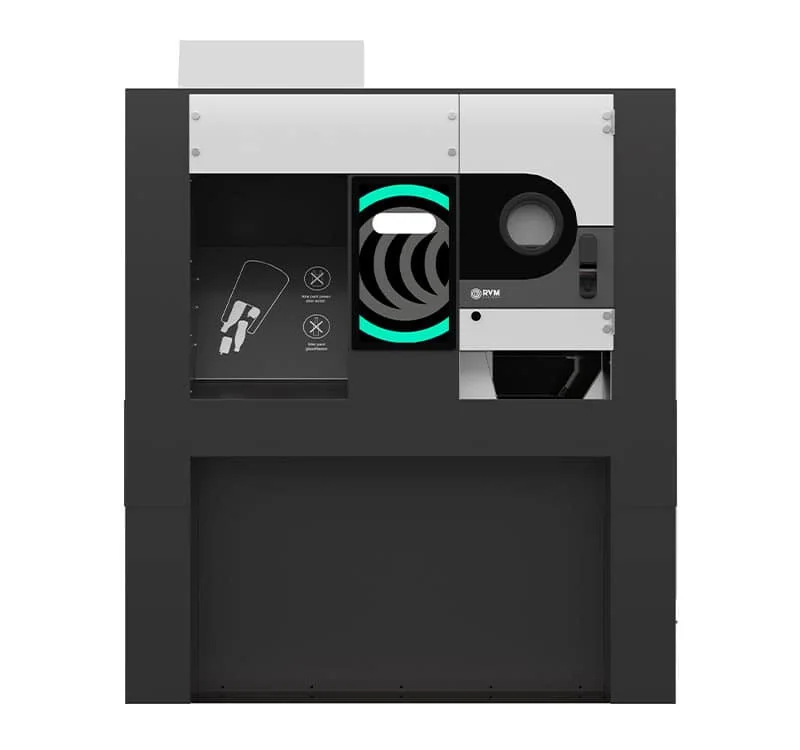
These representative vendor and program images are shown for identification and research. Click any image to open its official source. Image rights remain with the credited organization; inclusion is not an endorsement, California approval or proof of current availability.
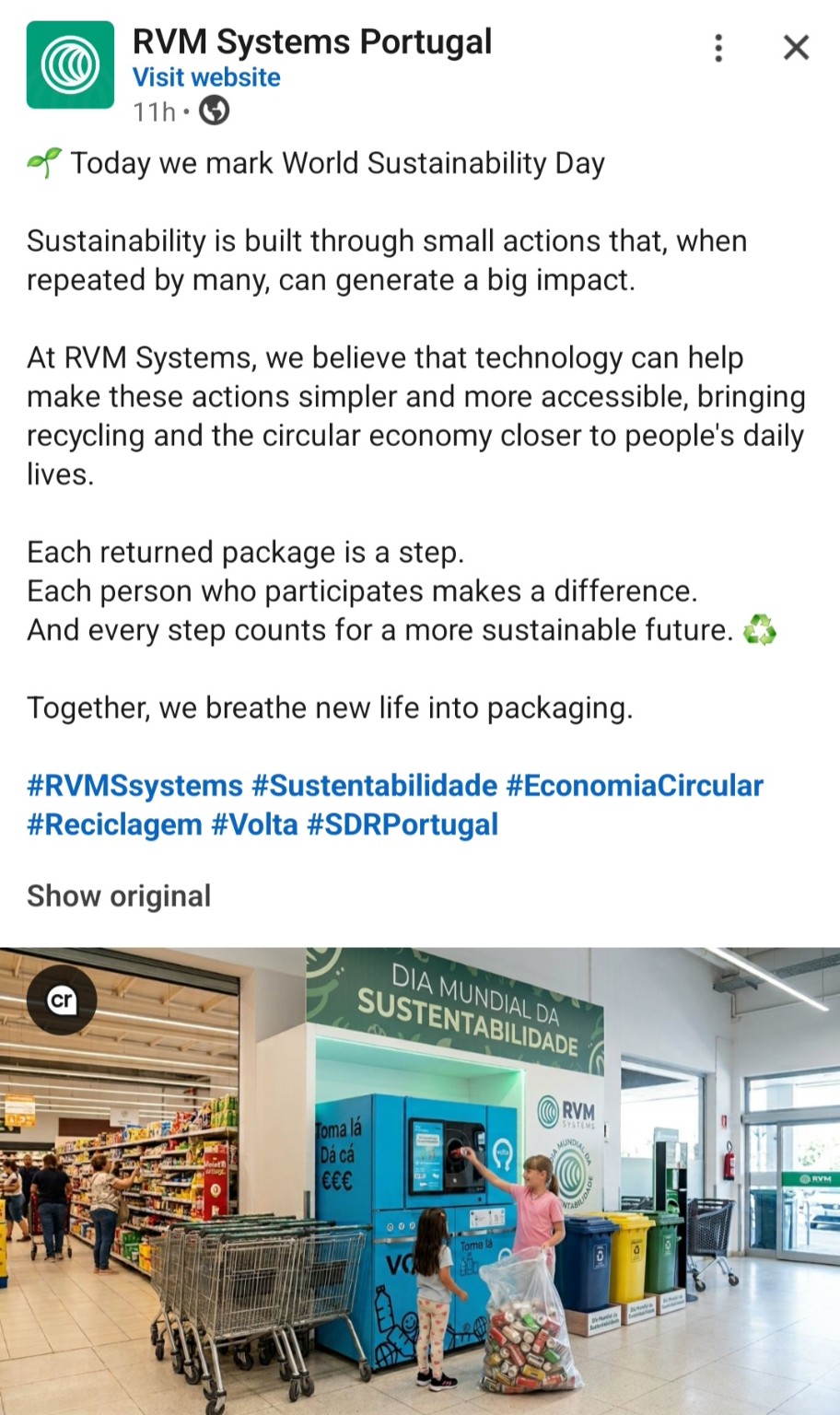
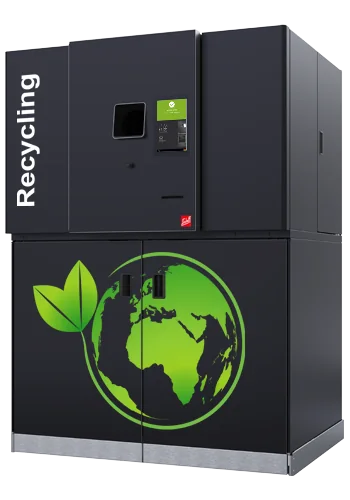
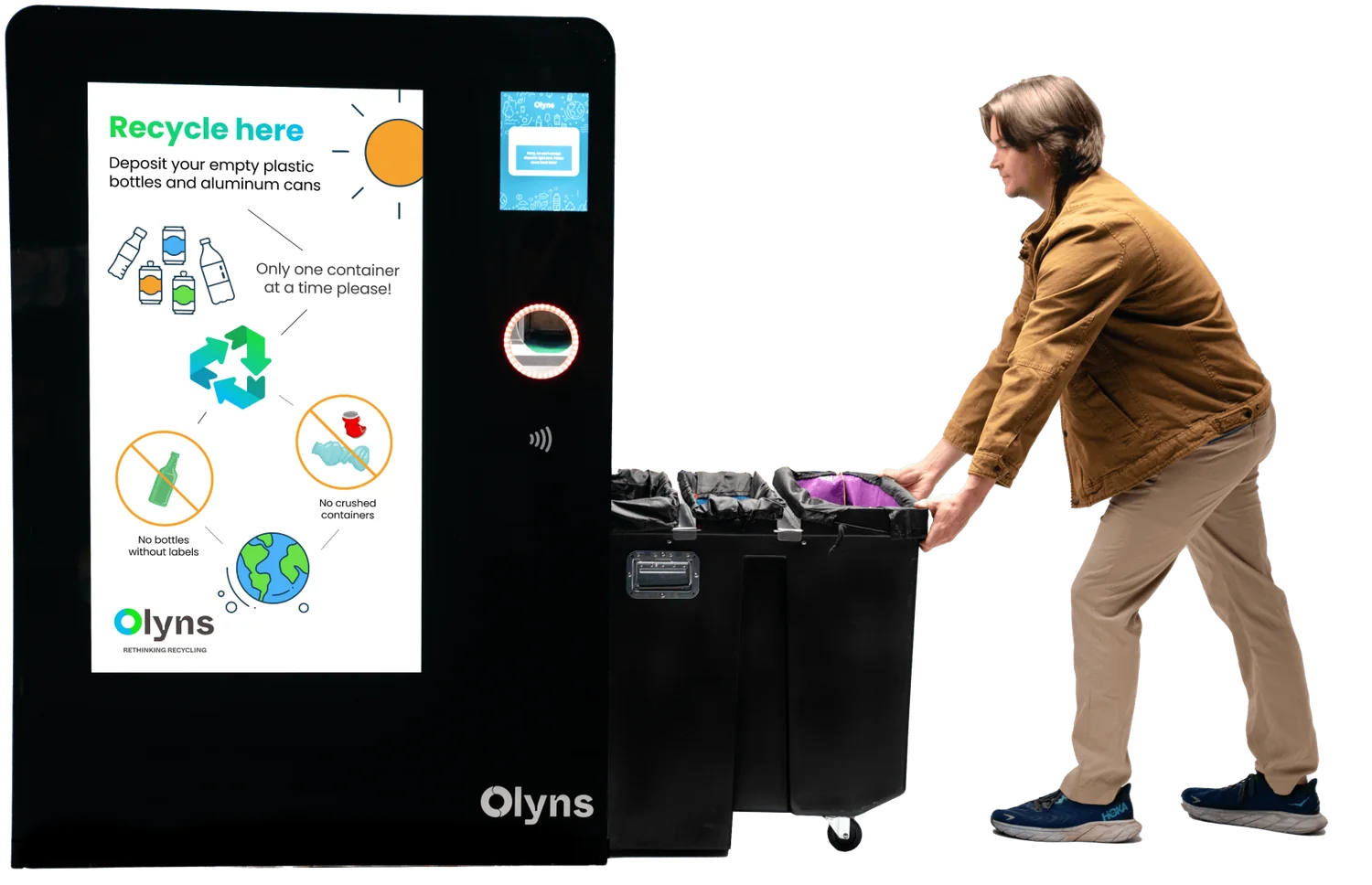
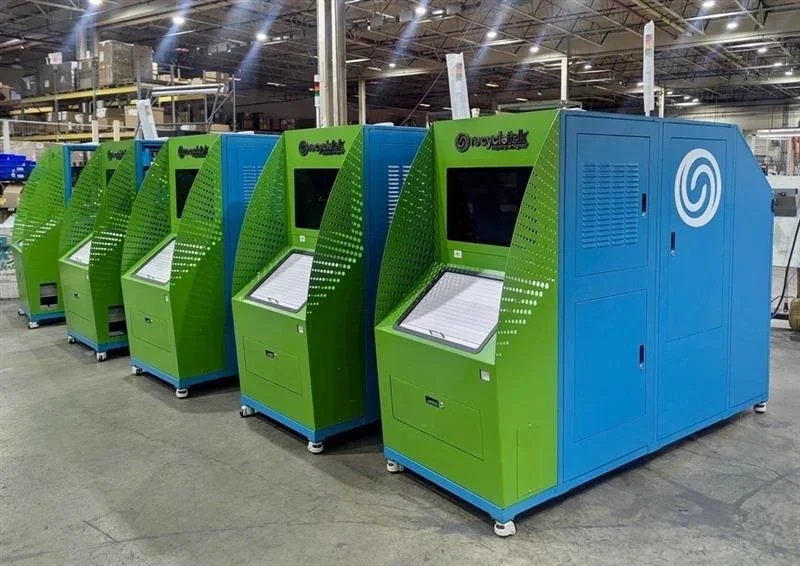
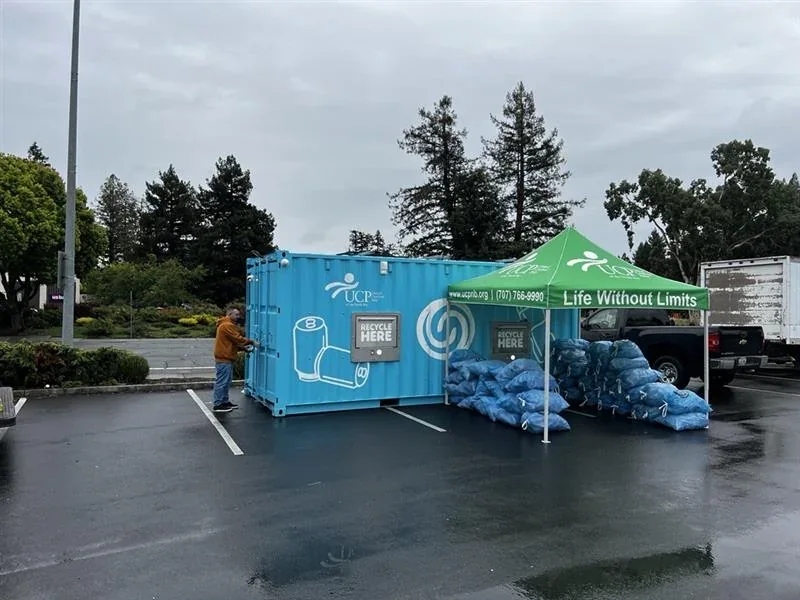
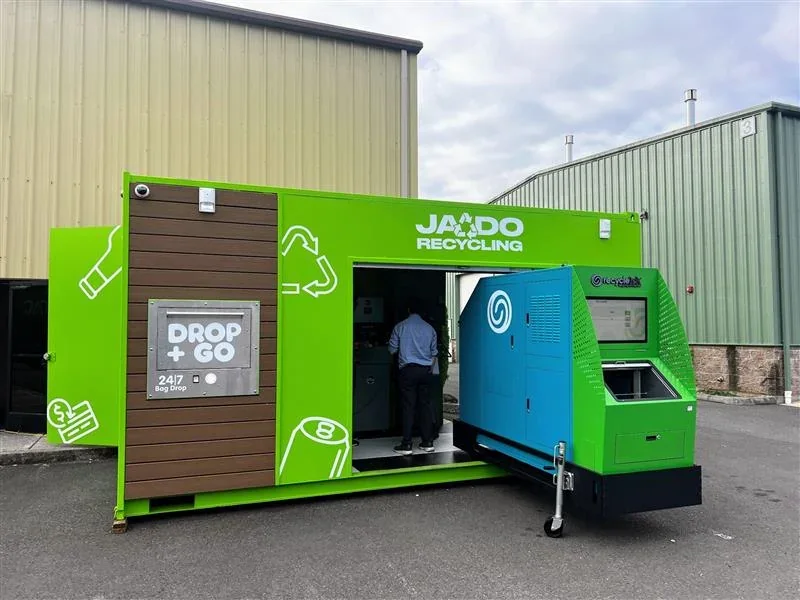
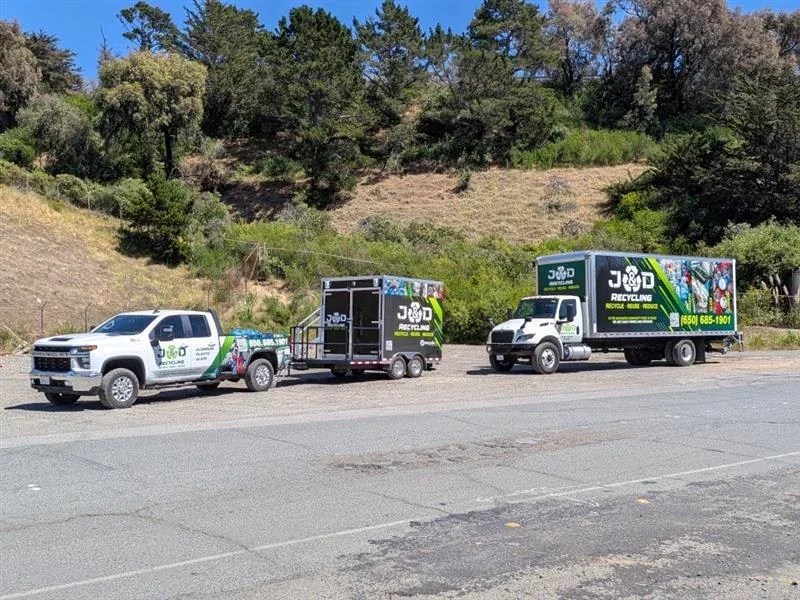

Future designs from California
Proposed CRV concepts—not operating products
These renderings and animations were developed with Karim Ameri as forward-looking design and policy concepts. They are shown to support discussion, pilots and engineering review; they are not commercially available products, certified systems or current CalRecycle-approved operating models.
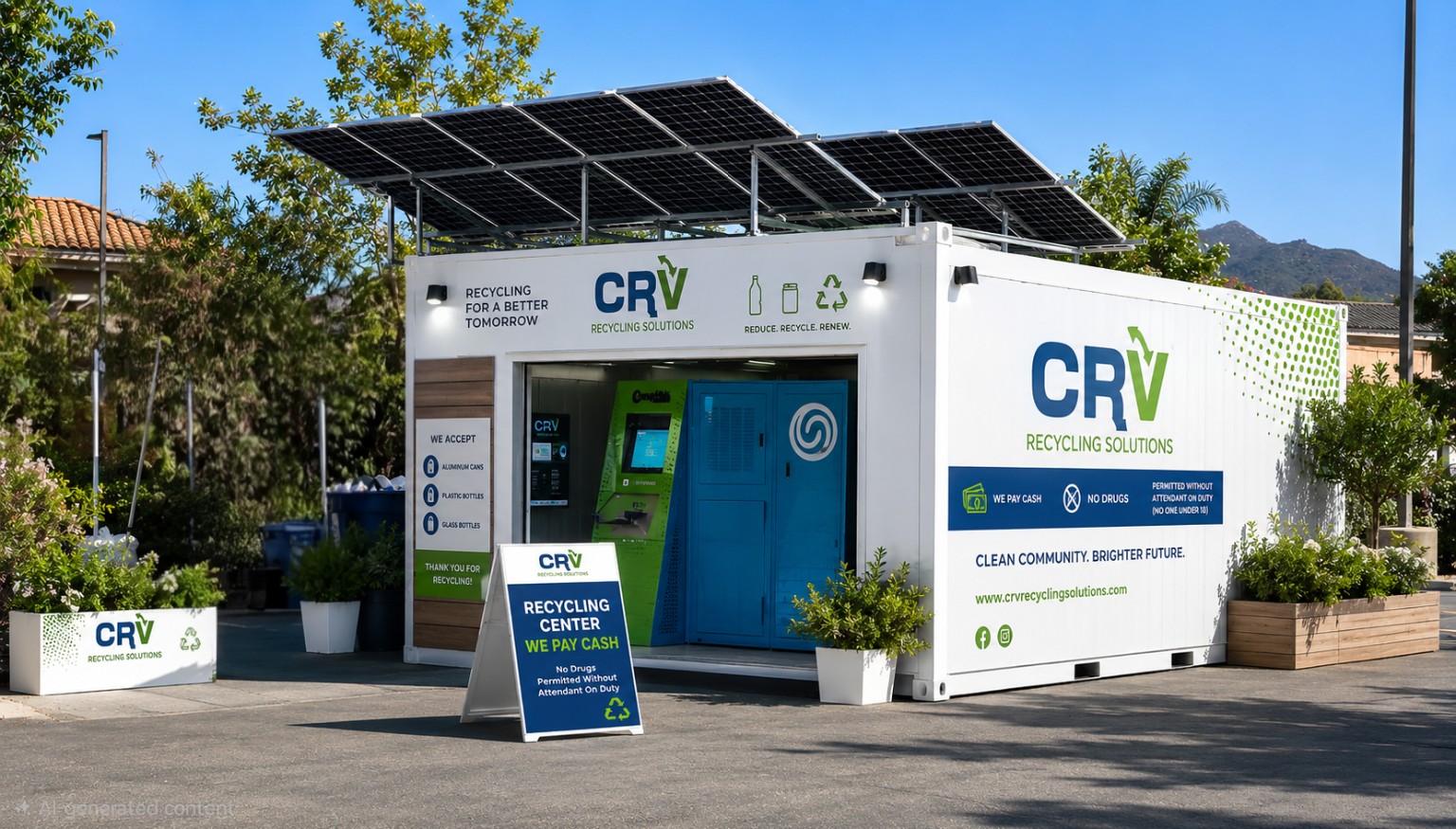
Concept rendering
Solar-powered modular CRV center
A compact, solar-assisted center combining a staffed service point, automated equipment and secured material storage for parking-lot deployment.
Concept source: Karim Ameri / CRV Recycling Solutions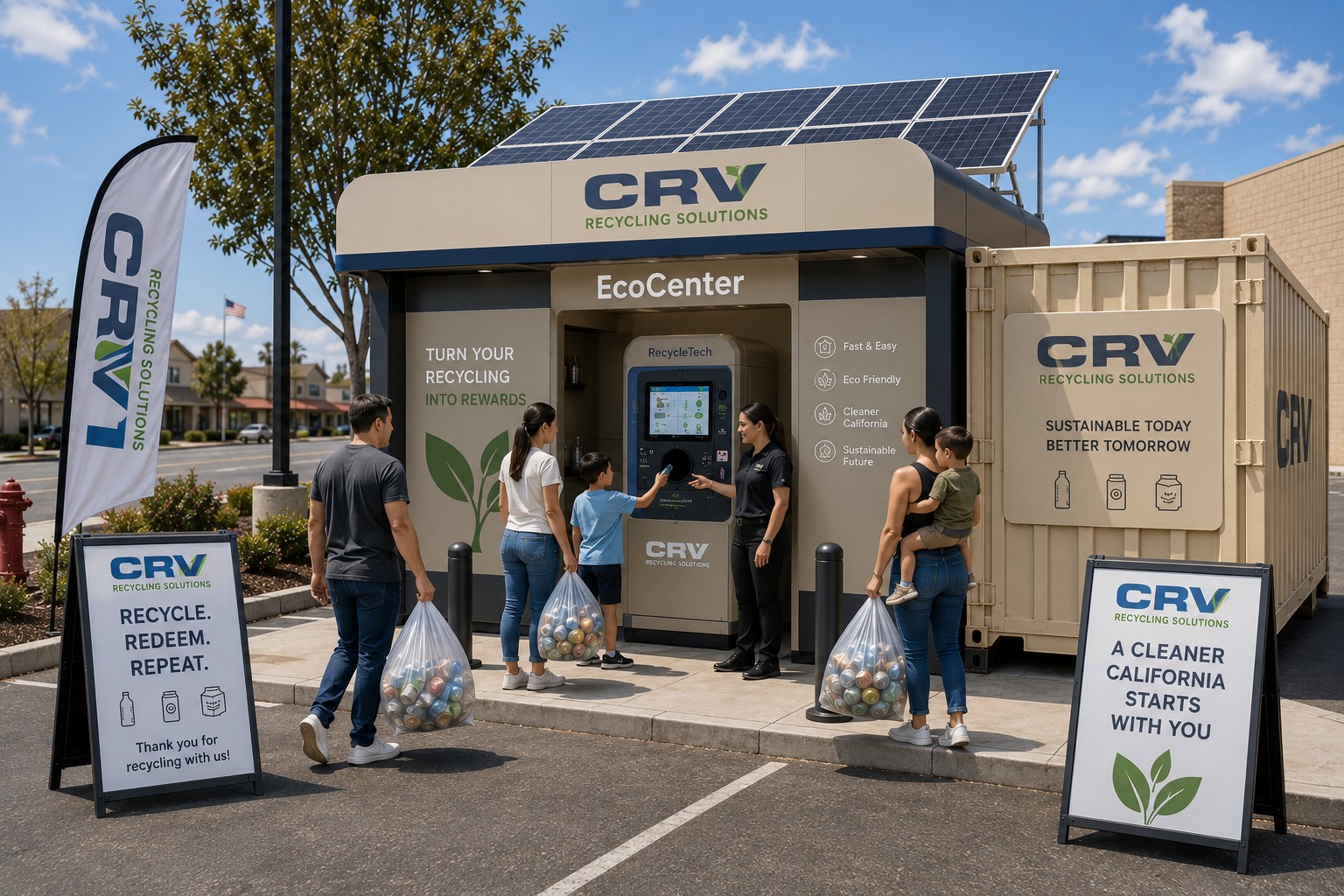
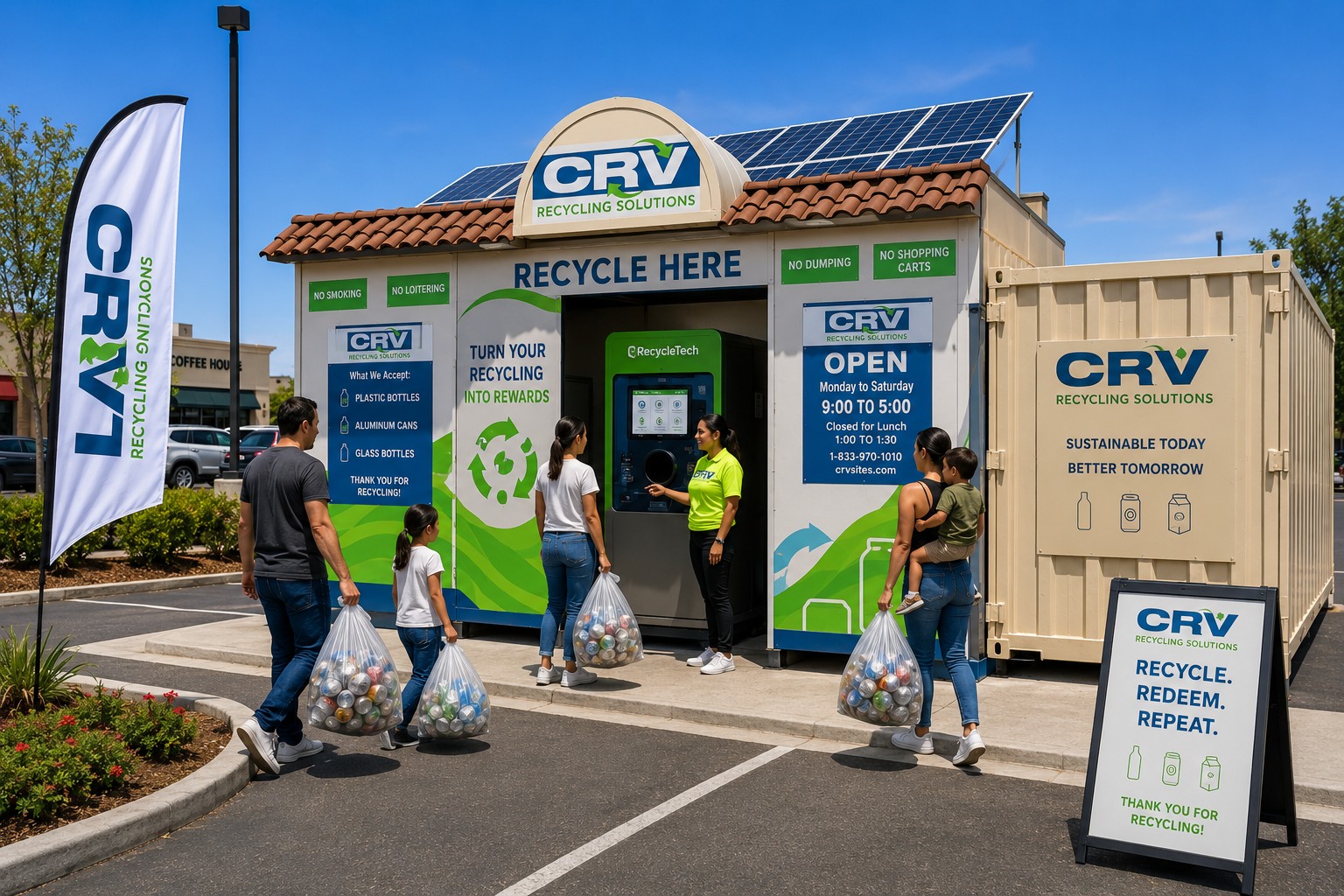
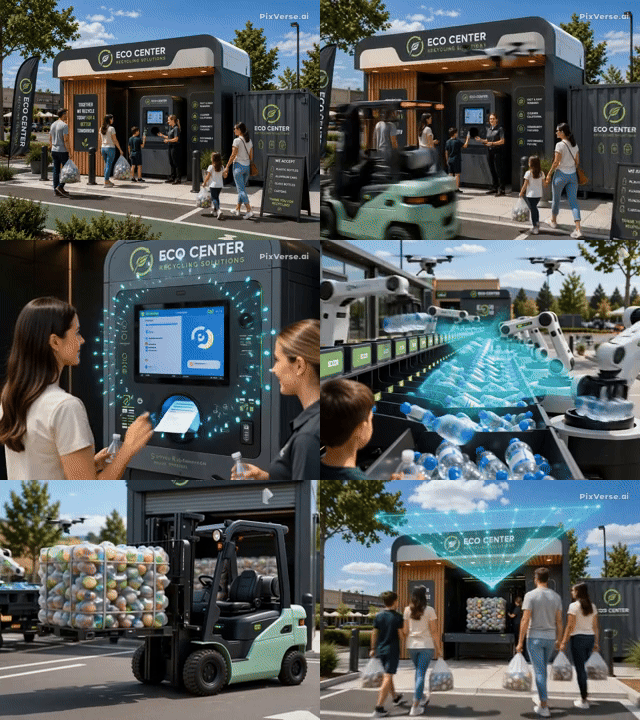
Concept rendering
Community hybrid EcoCenter
A family-accessible model combining trained staff, an automated customer interface, solar power and adjacent container storage.
Concept source: Karim Ameri / CRV Recycling SolutionsConcept animation
Mobile CRV recycling bus
A proposed self-contained mobile redemption unit designed to rotate through underserved communities while providing a customer interface, staffed assistance and secure transport capacity.
Concept source: Karim Ameri / CRV Recycling SolutionsBulk-feed RVMTOMRA R2TOMRAEuropeEuropean market launch; global supplierConditional fit
Compact multi-feed reverse-vending front end for high-volume bottle, can and glass returns.
Commercial deploymentManufacturer claimReviewed 2026-09-25
What is verified
TOMRA says users can pour 100+ containers into the machine at once. The R2 is designed to work with several TOMRA backroom storage systems, and current product materials describe glass acceptance.
Possible California use
A candidate for busy supermarkets, high-volume redemption centers and shared access hubs where faster unloading could reduce lines.
What California must verify
Verify eligible California container recognition, payment method, fraud controls, accessibility, space, power, local permits and CalRecycle certification before deployment.
Bulk-feed RVMTOMRA R1 + digital toolsTOMRAEuropeMultiple deposit-return marketsConditional fit
Multi-feed RVM paired with connected operations and optional account-based drop-and-go functions.
Commercial deploymentManufacturer claimReviewed 2026-09-25
What is verified
TOMRA describes the R1 as a whole-bag, multi-feed return solution. Its digital tools connect machines, operations and payout experiences; TOMRA says drop-and-go requires an R1 or R2 plus a digital payout solution.
Possible California use
Relevant to California proposals for digital payment, traceable transactions and high-throughput redemption while preserving non-digital payment access.
What California must verify
A California deployment would need approved refund delivery, privacy and retention rules, cybersecurity controls, consumer alternatives and auditable reconciliation with processor deliveries.
Bulk-feed RVMQUANTUMEnvipcoEuropeGlobal deposit-return marketsConditional fit
High-volume bulk-feed RVM intended for redemption centers, large supermarkets and hypermarkets.
Commercial deploymentManufacturer claimReviewed 2026-09-25
What is verified
Envipco describes QUANTUM as its fastest bulk-feed machine and states that it can process up to 120 beverage containers per minute.
Possible California use
Potential fit for California sites where customer volume is too concentrated for a small manual operation and where bulk unloading could improve throughput.
What California must verify
California-specific testing should cover material scope, CRV marking validation, rejection accuracy, fraud controls, maintenance response, storage, noise, utilities and reconciliation.
Single-feed RVMMAGNAEnvipcoEuropeGlobal retail marketsConditional fit
Single-feed RVM positioned for medium-to-large supermarkets and return centers.
Commercial deploymentManufacturer claimReviewed 2026-09-25
What is verified
Envipco presents MAGNA as a flexible machine for medium and large return environments and says current configurations can operate across a wide outdoor temperature range.
Possible California use
Worth evaluating for retail sites that need automated return but cannot support a large bulk-feed footprint.
What California must verify
Verify California container eligibility, supported material categories, outdoor enclosure and fire-code needs, payment workflow, uptime and service coverage.
Bulk-feed RVMRVM Mega ProLine+RVM SystemsEuropeMore than 40 markets reported by supplierConditional fit
Modular multi-feed machine family for supermarkets, hypermarkets and high-volume return points.
Commercial deploymentManufacturer claimReviewed 2026-09-25
What is verified
RVM Systems says the standard Mega processes up to 100 containers per minute and the Duo configuration up to 160, with PET and can compaction and modular storage.
Possible California use
A comparison option for high-volume centers and retail depots that need more capacity than single-feed RVMs.
What California must verify
Require California recognition files, independent accuracy and anti-fraud tests, lifecycle cost, local maintenance, accessible controls and processor-compatible storage.
Single-feed RVMSiCompact 2020 seriesSielaffEuropeGermany and international marketsConditional fit
Compact automated return system supporting several disposable and reusable container formats.
Commercial deploymentManufacturer claimReviewed 2026-09-25
What is verified
Sielaff lists disposable and reusable PET, glass bottles, cans, cups and beverage cartons in the model family's recognition options, and describes input without required display interaction as an accessibility feature.
Possible California use
Useful as a design reference for smaller retailers and for accessibility-centered RVM procurement.
What California must verify
California should define required acceptance categories, accessible reach and controls, refund delivery, signage, downtime response and all-material service coverage.
Smart kioskAI recycling CubeOlynsCaliforniaCalifornia and other U.S. locationsCurrent pathway
Compact AI-assisted collection kiosk combining bottle redemption, an app and a digital media screen.
California deploymentManufacturer claimReviewed 2026-09-25
What is verified
Olyns says its Cube has a 12-square-foot footprint, uses the app for location and account functions, and offers operations, collection and compliance services. The company documents a CRV deployment on Catalina Island.
Possible California use
A potential small-footprint access point for public buildings, campuses, retail entrances and high-traffic locations.
What California must verify
Verify each specific site and operator in CalRecycle records, accepted CRV materials, refund method, accessibility, advertised-media safeguards, servicing and overflow controls.
Network & paymentsEcoCount, EcoCenter, EcoPod, EcoHub and mobile platformEvtek, Inc. dba RecycletekCaliforniaCaliforniaCurrent pathway
California-focused equipment, software, bag-drop, kiosk, mobile and electronic-payment ecosystem.
California deploymentOfficial program recordReviewed 2026-09-25
What is verified
Recycletek's published terms identify its automated counting, kiosk, bag-drop, mobile and payment services. CalRecycle documents Evtek's Cupertino and Sunnyvale pilot using a mobile trailer, bulk RVM, bag drop and electronic or Recycletek-issued debit-card payment.
Possible California use
A documented California reference for combining distributed access, bulk return, delayed counting, mobile service and digital payout under accountable operation.
What California must verify
Operators must use the current certification pathway and applicable bag-drop or mobile-unit rules; every location, payment practice and consumer fee needs specific compliance review.
Mobile & pickupMobile trailers, trucks and at-home pickupCalifornia pilot operatorsCaliforniaCalifornia pilot communitiesCurrent pathway
Scheduled mobile redemption and pickup models serving multiple locations or collecting at the consumer address.
California deploymentOfficial program recordReviewed 2026-09-25
What is verified
CalRecycle documents mobile trucks and trailers rotating among sites, as well as app-enabled residential and business pickup with check or electronic payment.
Possible California use
Strong access tool for unserved communities, apartments, rural areas, campuses, parks and locations that cannot support a permanent full-size center.
What California must verify
Use current mobile-unit rules, an accountable anchor recycling center where required, published schedules, safe storage and transport, transaction records and timely refund procedures.
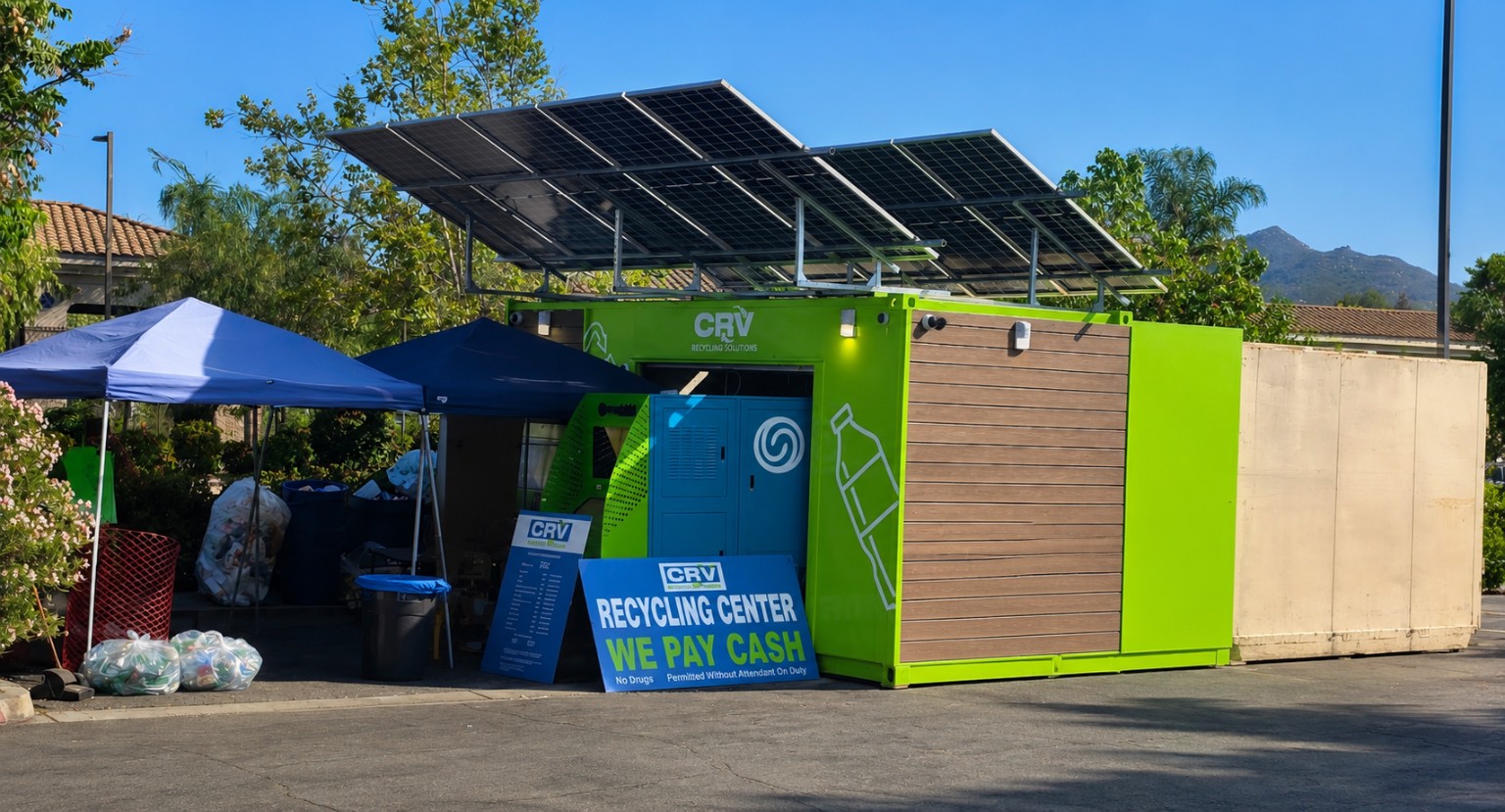
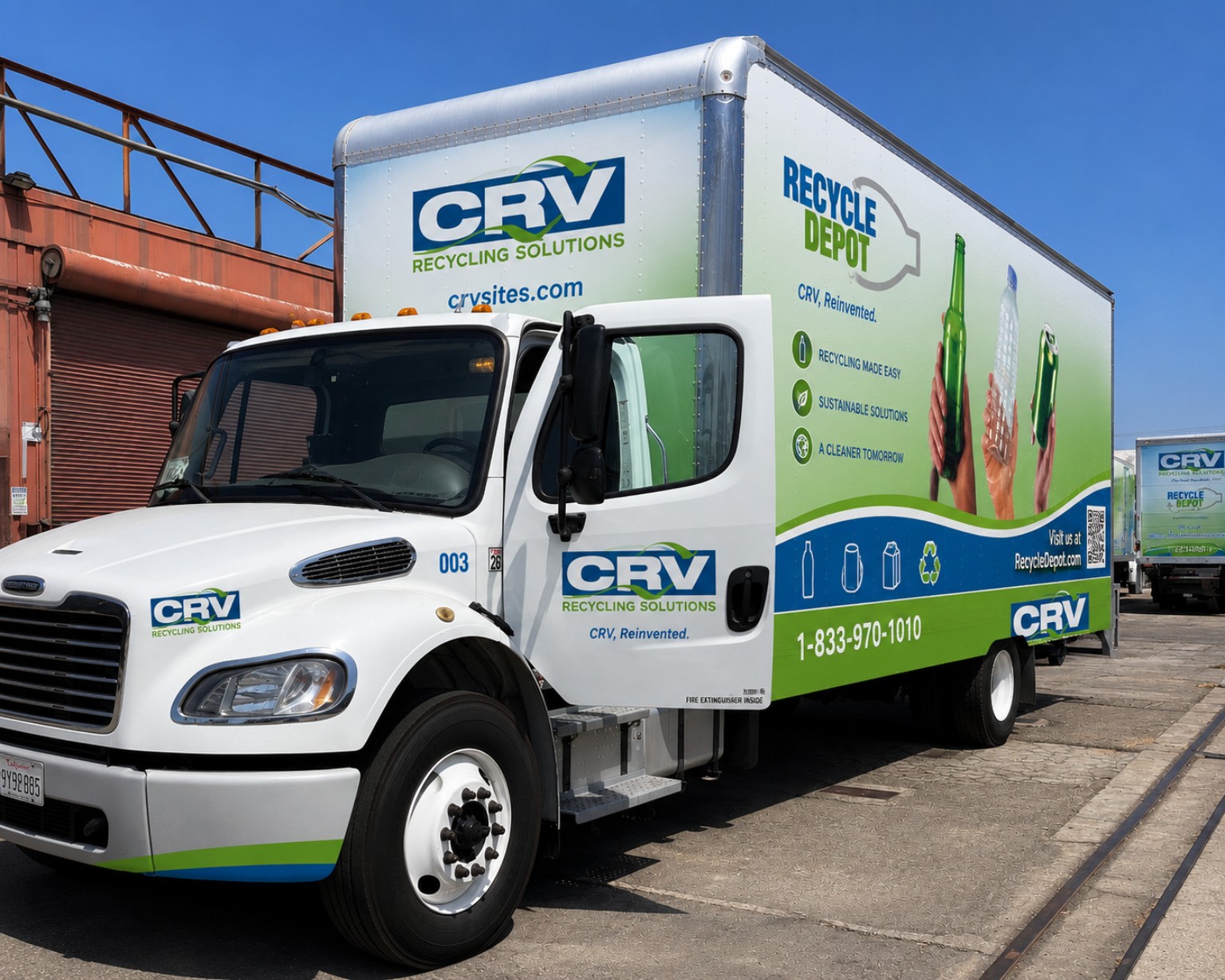
Staffed hybrid centerOperating staffed center and material-logistics fleetCRV Recycling SolutionsCaliforniaCaliforniaCurrent pathway
Operating California equipment combining staffed redemption, solar-assisted site infrastructure and branded material transportation.
California deploymentOperator-provided field evidenceReviewed 2026-09-25
What is verified
The submitted field images document an operating green CRV Recycling Solutions center and an operating CRV material-logistics truck. The center integrates customer service, recycling equipment, covered work space and on-site storage.
Possible California use
A practical operating reference for clean parking-lot centers that combine trained staff, automation, renewable-energy support and scheduled material movement.
What California must verify
Each site, vehicle use and equipment configuration still requires the applicable CalRecycle certification, local permitting, fire and accessibility review, recordkeeping and processor pathway.
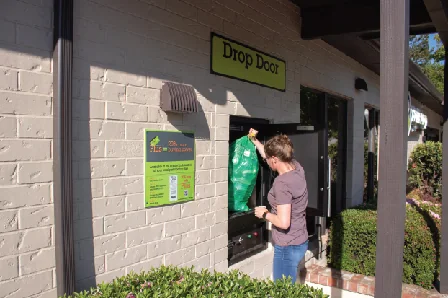
Bag dropBottleDrop Green Bag networkOregon Beverage Recycling CooperativeUnited StatesOregon, United StatesPolicy reference
Account-based, tagged bag-drop network at redemption centers and participating retailers.
System modelOperator-published modelReviewed 2026-09-25
What is verified
Consumers use tagged Green Bags and secure drop doors; containers are counted later and the refund is credited to the consumer's BottleDrop account. Published consumer fees and retailer-paid exceptions are disclosed by the operator.
Possible California use
A mature reference for convenient off-hours drop-off, distributed retail access and consolidated counting.
What California must verify
California design should specify refund timing, transparent fees, bag custody, dispute rights, unbanked access, accessibility, privacy, loss allocation and reconciliation.
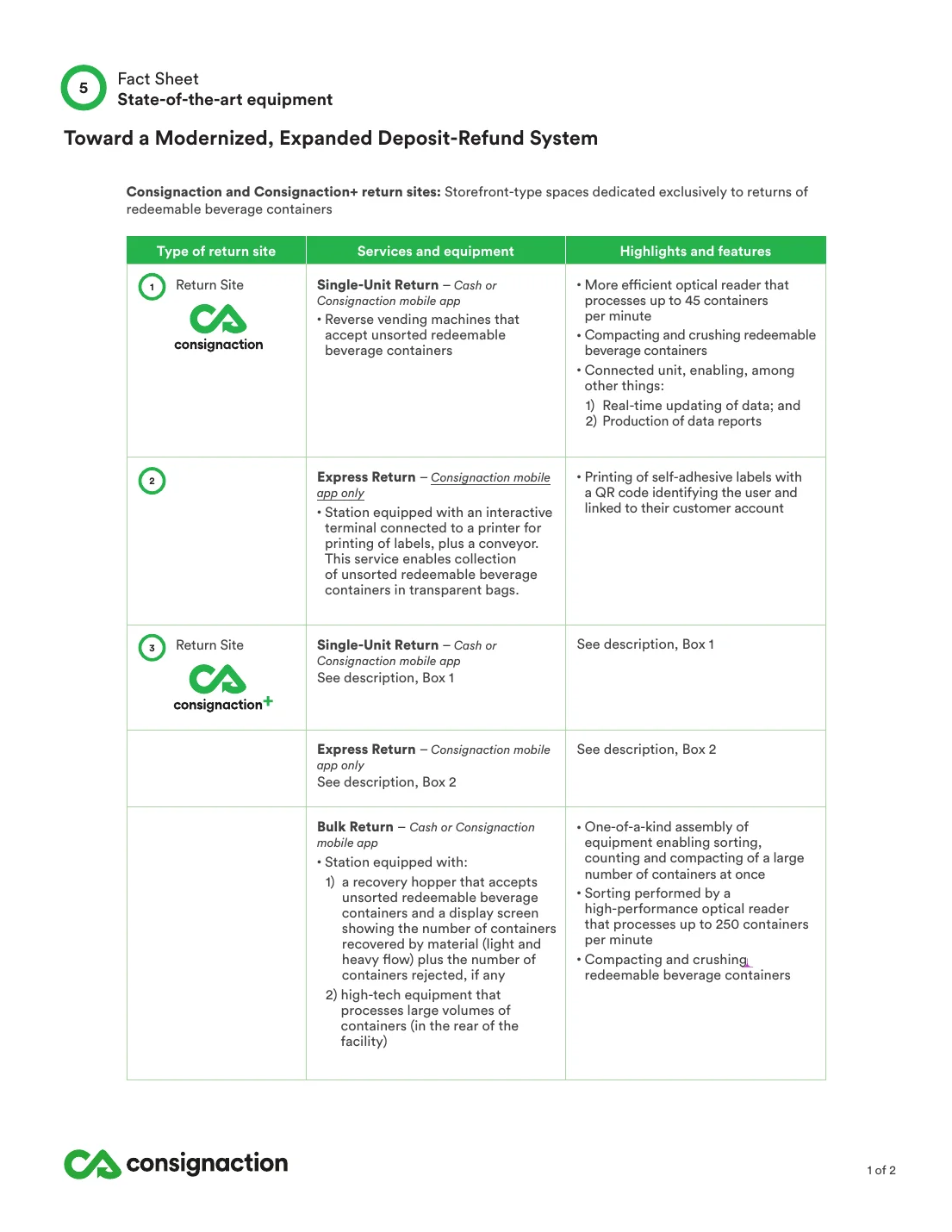
Network & paymentsConsignaction+ hybrid return centersQBCRA / ConsignactionCanadaQuebec, CanadaPolicy reference
Dedicated return centers combining single-unit RVMs, account-based bag drop and high-volume bulk return.
System modelOperator-published modelReviewed 2026-09-25
What is verified
Consignaction describes three service levels: automated single-unit return, Express Return bags counted later and Bulk Return for large unsorted quantities. Published centers offer cash or electronic reimbursement depending on service type.
Possible California use
A useful blueprint for hybrid California depots that serve quick small returns, unattended bags and commercial-scale consumer loads in one network.
What California must verify
A pilot should define operator responsibility, payment timing, cash alternatives, material categories, throughput, processor delivery and separate audit controls for each return channel.
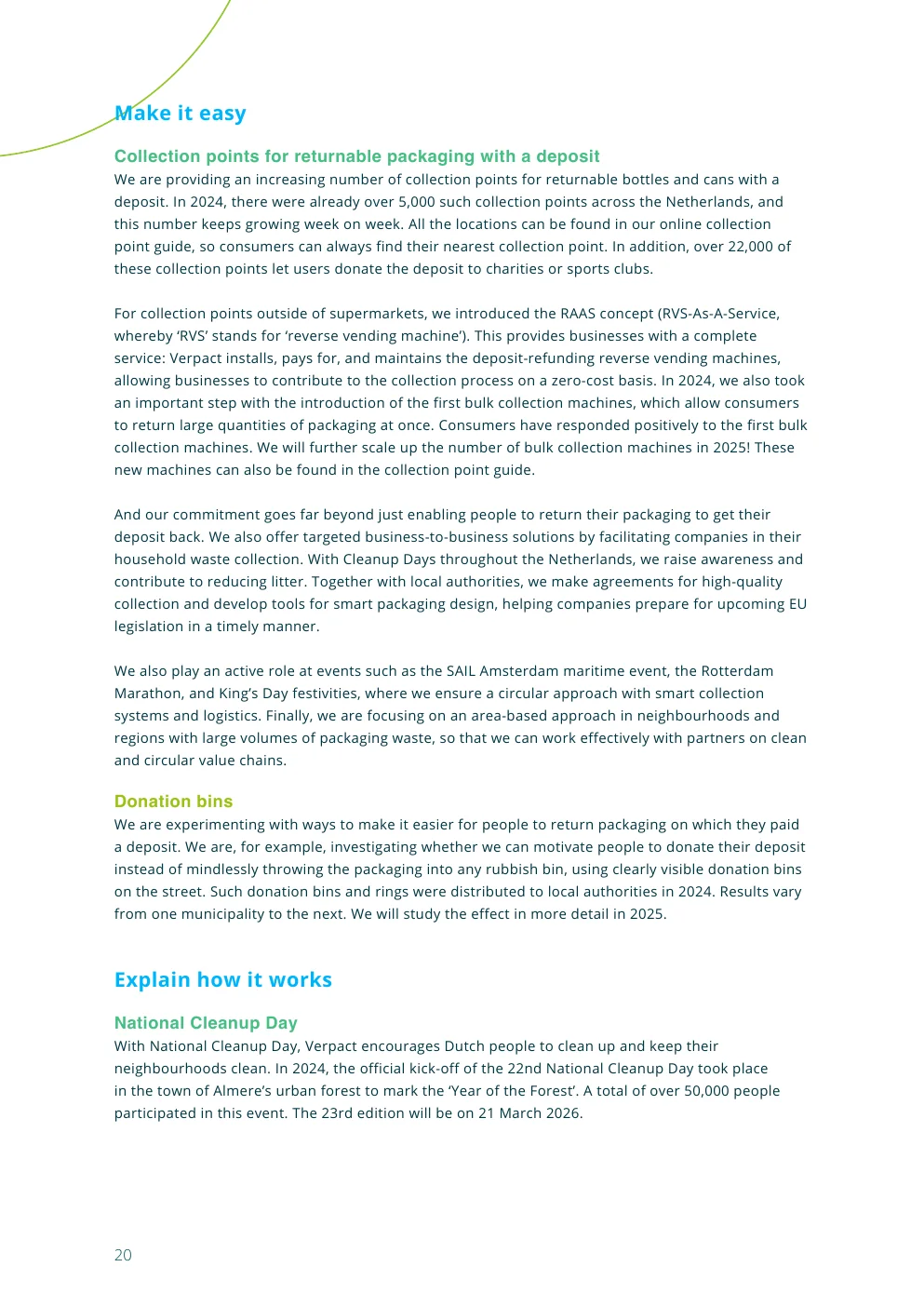
Network & paymentsReturn shops, bulk machines and RVM-as-a-ServiceVerpactEuropeNetherlandsPolicy reference
Dense return network supplemented by dedicated shops, bulk machines, mobile event equipment and service-funded RVM placements.
System modelOperator-published modelReviewed 2026-09-25
What is verified
Verpact reports expanding bulk machines and dedicated return shops to reduce supermarket pressure. It also describes an RVM-as-a-Service model in which Verpact installs, pays for and maintains machines at outside locations.
Possible California use
A strong model for statewide equipment service contracts, dedicated high-volume sites and temporary mobile capacity during large events.
What California must verify
California would need transparent procurement, open vendor qualification, performance reporting, equitable siting, repair standards and clear responsibility between funder, operator and host.
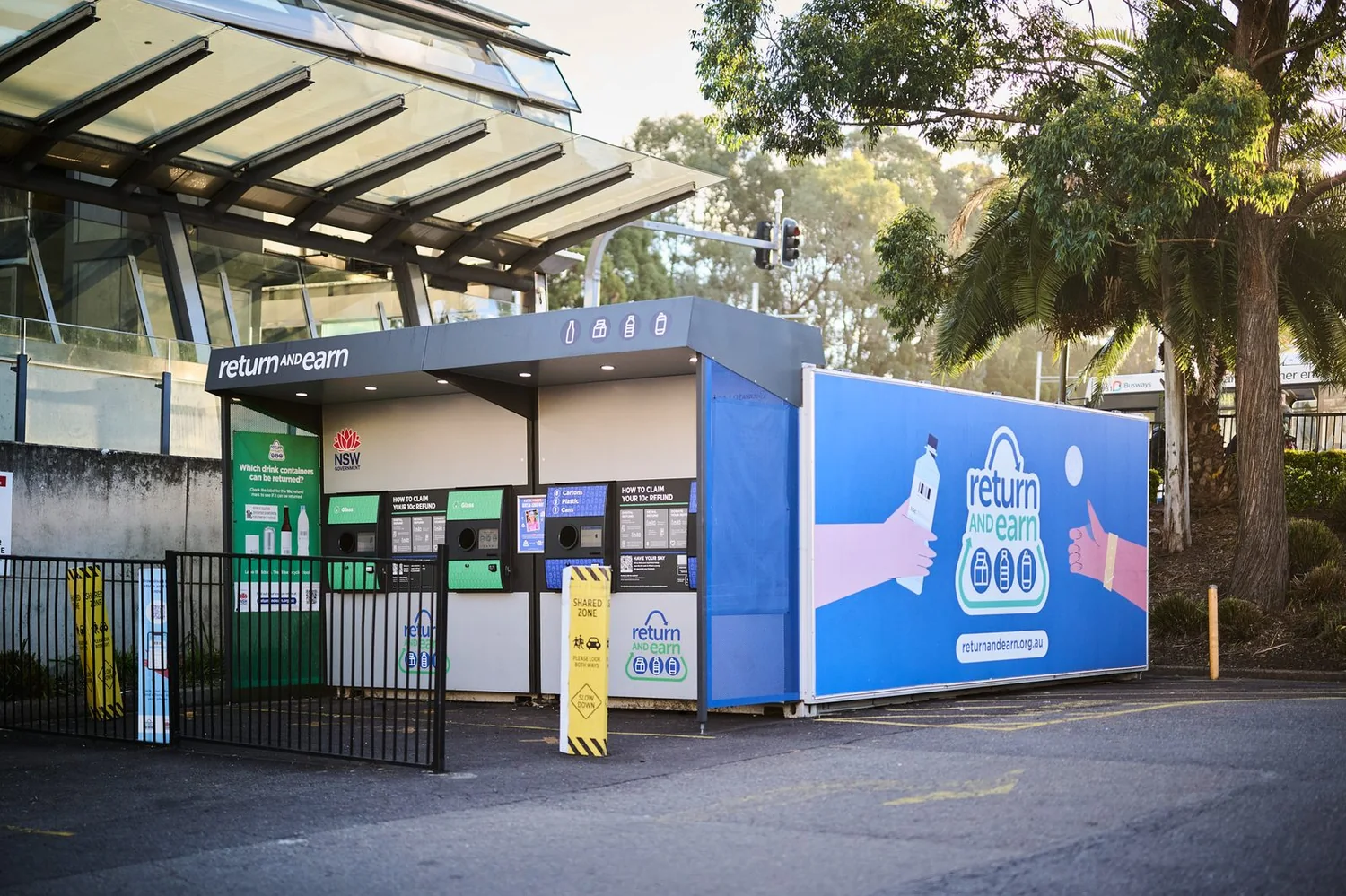
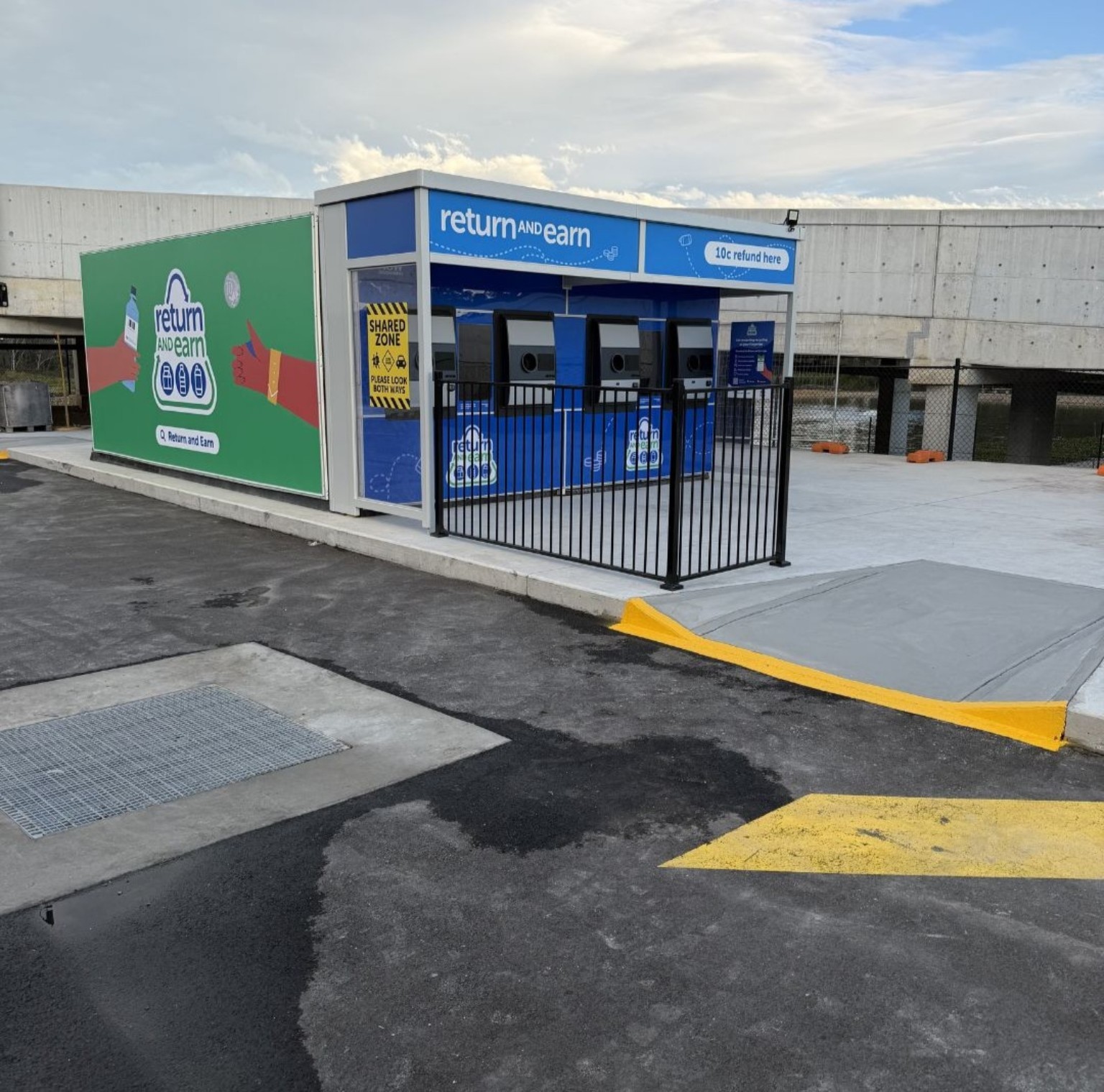
Network & paymentsMachine, depot and app payment networkReturn and EarnAustraliaNew South Wales, AustraliaPolicy reference
Multi-channel statewide network combining machines, centers, depots, app-linked payment and charity options.
System modelOperator-published modelReviewed 2026-09-25
What is verified
Return and Earn lets users scan an app barcode at participating return points and choose bank, PayPal or donation destinations. Its network also includes staffed centers and depots.
Possible California use
A reference for integrating multiple redemption technologies into one consumer account and payout system without relying on one machine type.
What California must verify
California should preserve a cash or prepaid-card path, limit data collection, define payment deadlines, require cybersecurity controls and separate public-interest metrics from marketing data.
Mobile & pickupIntegrated and mobile photovoltaic recycling centersTEXAN Environmental Management S.A.EuropeGreecePolicy reference
Greek automated recycling-center network that combines source-separated collection, reward mechanisms, education and photovoltaic mobile-center development.
Commercial deploymentOperator-published modelReviewed 2026-09-25
What is verified
TEXAN says it installs, operates and manages integrated high-technology automated recycling centers. Its official 2025 presentation describes a mobile multi-purpose photovoltaic recycling center designed as an energy-autonomous unit.
Possible California use
A useful comparison for modular municipal sites, public education, mobile service and energy-resilient redemption infrastructure.
What California must verify
California would need independent acceptance testing, CRV eligibility controls, verified refund reconciliation, processor compatibility, local service capacity and a certified-operator pathway.
California law & policy
What is allowed now—and what remains a recommendation
Official requirements and platform recommendations are deliberately separated.California recognizes multiple redemption models
CalRecycle's current program guidance describes staffed kiosks, mobile recycling, bag drop, reverse vending machines and mixed-method recycling depots. Certified recycling centers generally must redeem all eligible container types.
Open official source ↗Bag-drop and mobile-unit rules are in effect
CalRecycle states that the AB 1311 emergency regulations became effective August 11, 2025 and set application and operating standards for bag-drop recycling centers and mobile recycling operated by recycling centers.
Open official source ↗Innovation grants cover defined technology models
CalRecycle's innovation grant program supports eligible mobile, bag-drop, RVM and recycling-center projects. Application cycles and eligibility change; the official grant page controls.
Open official source ↗Create a technology-neutral California approval pathway
Approve outcomes—not brands—through verified acceptance accuracy, refund integrity, accessibility, uptime, cybersecurity, consumer choice, processor reconciliation and public performance reporting.
Open recommendations →California readiness test
Ten questions before a pilot, grant or purchase
- 01Legal pathway
Which certified program, operator and location is responsible?
- 02Eligible containers
Does it accurately accept every required CRV material and reject ineligible loads?
- 03Refund integrity
How are count, weight, value, fees and payment reconciled?
- 04Consumer choice
Are cash, voucher or prepaid alternatives available without a smartphone or bank?
- 05Accessibility
Can people with different mobility, vision, language and technology needs use it?
- 06Uptime & service
Who responds to faults, full bins, vandalism and missed collections—and how fast?
- 07Privacy & security
What data is collected, retained and shared, and how can consumers correct errors?
- 08Site compatibility
Does it meet zoning, fire, ADA, electrical, storage, traffic and noise requirements?
- 09Processor pathway
Can output be transported, documented and accepted by a certified processor?
- 10Public results
Will throughput, downtime, cost, complaints, fraud and access gains be reported?
Global operating lessons
What California can learn without copying blindly
Different laws and financing models mean each lesson still needs California legal, cost and equity analysis.Certify the machine and the data chain
DPG publishes certified RVM manufacturers and requires machine referencing in its system database before commissioning. RVMs validate marking and item data and generate electronic records.
Open primary source ↗Make return access ordinary and dense
Infinitum reports more than 3,500 RVM locations and a system that connects convenient return with a separate, high-quality material stream.
Open primary source ↗Permit both manual and automated return
Re-turn allows retailers to choose manual return or RVMs and has published accessibility guidance, showing that technology should expand service rather than become the only path.
Open primary source ↗Set outcomes, then design access
EU packaging rules target 90% separate collection for covered single-use plastic and metal beverage containers by 2029, with deposit-return systems required where the target is not otherwise achieved.
Open primary source ↗Markets under active review
Belgium, Greece and the next generation of deposit systems
A country is not labeled a technology leader until a current official source supports the operating model.The European Commission reports that Belgium exceeded the EU's 2025 separate-collection target for single-use plastic beverage bottles. We are monitoring official Belgian decisions on deposit-system design and return technology before publishing a model-level comparison.
Open European Commission update ↗TEXAN's official materials document integrated automated recycling centers and a mobile photovoltaic center. The record is published as an operator model—not proof of California approval or of a nationwide Greek deposit-return mandate.
Open TEXAN official source ↗New countries, technologies and deployments can be proposed for review. Each addition needs a primary source, a maturity label, an evidence boundary and a California-readiness analysis.
Submit a technology or country source →Transparent methodology
A watchlist, not an endorsement or approved-equipment list
Evidence hierarchy. California laws and agency records control California requirements. Official deposit-system operators document operating models. Manufacturer pages support only manufacturer-specific capability claims.
Inclusion standard. A record needs a direct official, operator or manufacturer source and a practical connection to redemption access, material handling, payment, verification or logistics.
Update standard. Dates advance only when the linked sources are reviewed. Announced concepts, pilots and commercial products must remain separately labeled.
Scope limit. This is a growing international watchlist, not every technology worldwide. Inclusion does not establish California certification, legal compliance, performance, price, availability or suitability.