Redemption operations
Permanent, mobile and technology-assisted CRV service; customer flow; weighing; payments; staffing; storage; safety and day-to-day compliance.
Reads visible page information. Voice choices depend on your device; choosing a voice does not translate the text.
 Recycling Policy & IndustrySearch • Policy • Industry • Action
About the founder & platform
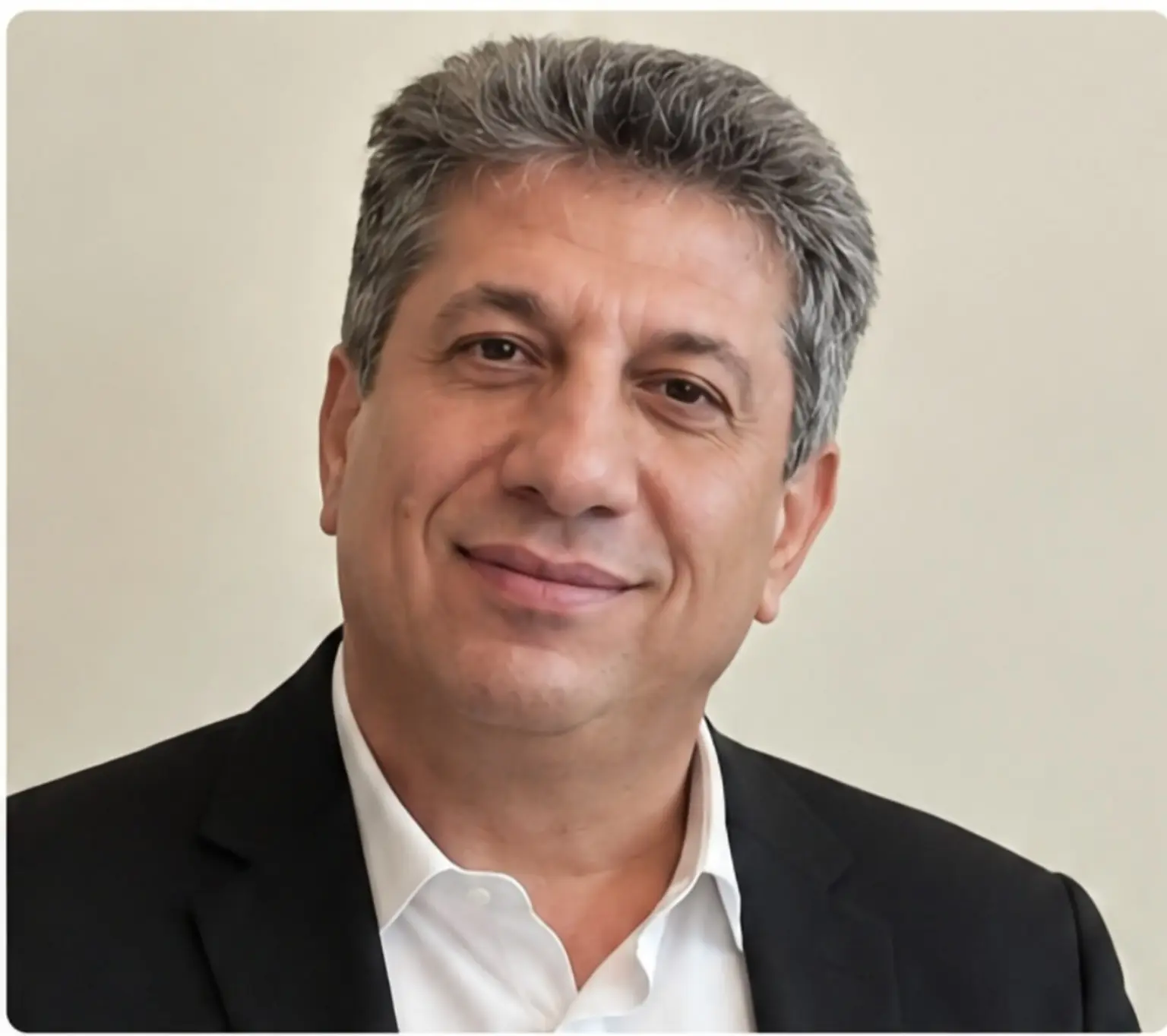
Founder's perspective
My experience comes from developing and operating California recycling centers, working with customers, employees, processors, retailers, property owners, cities, technology companies and government programs. I have seen where the CRV system succeeds—and where unclear rules, inadequate payments, difficult permitting, limited space and one-size-fits-all requirements can prevent good operators from serving the public.
My purpose is not simply to criticize the program. It is to bring operating knowledge, practical alternatives and long-term vision into the decisions that shape California recycling.
Experience from the recycling floor
As an entrepreneur and recycling-center operator, Karim Ameri has worked across the complete operating chain: locating and permitting sites, building relationships with retailers and landlords, hiring and training employees, managing customer transactions, arranging transportation, working with processors and responding to CalRecycle requirements.
That experience provides a view that is often missing from policy discussions. A rule written at the state level can affect the amount of cash held at a location, the number of trucks entering a parking lot, the storage space required for a new container type, employee safety, customer waiting time, processor quality and whether a city will approve the site at all.
Karim's policy work focuses on consumer redemption access, stable and evidence-based handling fees, fair certification and enforcement, practical permitting, processor accountability, digital payments, paperless records, workforce training, flexible technology and transparent public decision-making.
Practical knowledge
Permanent, mobile and technology-assisted CRV service; customer flow; weighing; payments; staffing; storage; safety and day-to-day compliance.
Material separation, processor relationships, roll-off transportation, pickup schedules, contamination control and reconciliation from redemption through processor delivery.
Handling fees, processing payments, cost studies, grants, certification, enforcement, consumer access and the financial realities that determine whether centers remain open.
The practical gap between statewide redemption goals and city zoning, conditional-use permits, parking-lot limits, retailer requirements and property-owner concerns.
Digital payments, paperless records, electronic signatures, automated redemption, bag drops, modular centers, solar-powered systems and material-specific certification.
Clear evidence, measurable outcomes, fair enforcement, traceable public comments and transparent review of rules, payment methods and program performance.
Why this website exists
Recycling information is scattered across statutes, regulations, agency notices, grant pages, city codes, processor documents, industry reports and private experience. This platform is being created to organize that information into one searchable and understandable system.
Build the specialized search engine and intelligence center for the recycling world—starting with California, expanding across the United States and ultimately connecting policy, industry and innovation globally.
What the platform will cover
CRV is the first live foundation because it is where the founder's deepest operating and policy experience exists. The same structure will expand responsibly to scrap metal, vehicle recycling, tires, batteries, used oil, electronics, organics, plastics, glass, producer responsibility and future materials.
Find laws, bills, regulations, deadlines, official guidance, materials, facilities, companies and practical explanations.
Track legislation and rulemaking while separating confirmed requirements from proposals, recommendations and advocacy positions.
Translate complex requirements into organized operator guidance with direct links to the responsible government source.
Connect recyclers, processors, retailers, cities, property owners, technology providers, researchers and consumers.
Build a clearer picture of redemption performance, infrastructure gaps, closures, operating costs and material markets.
Evaluate new technology by real service, safety, accessibility, reliability, cost and environmental results.
Built for the entire system
Responsible growth
Build the strongest foundation around redemption policy, compliance, centers, processors, legislation, permitting, payments and consumer access.
Organize policy, compliance, markets and industry resources for metals, vehicles, tires, batteries, oil, organics, electronics and other materials.
Compare state programs, bottle bills, markets, infrastructure and regulatory approaches while preserving local context.
Connect international recycling policy, technology, data and operating experience so strong ideas can be evaluated and adapted across borders.
Editorial promise
Confirmed requirements, deadlines and government actions link directly to the responsible primary source.
Operational meaning and likely effects are explained separately from the controlling legal text.
Proposed reforms and advocacy positions are clearly identified as recommendations—not current law.
Planned search tools, industries and geographic expansion are labeled so visitors know what is live and what is being built.
Founder & industry contact
General inquiries: info@recyclingpolicy.org
Contact Karim Ameri directly: karim@recyclingpolicies.org